The Power of Integrated Marketing Communications (IMC): Building Consistent & Impactful Brand Experiences
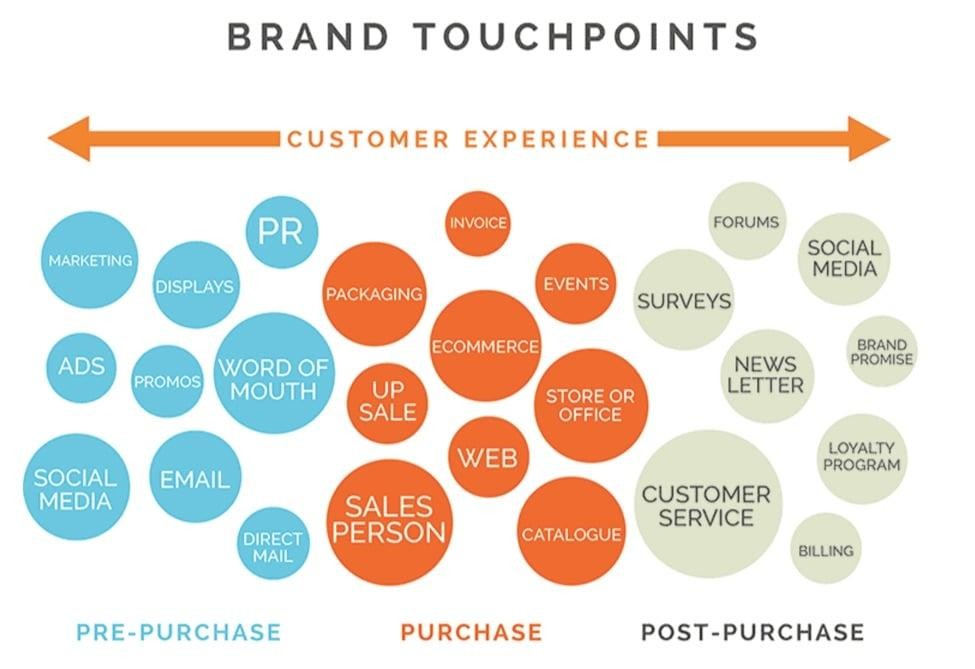
In today’s fragmented media landscape, customers interact with brands across multiple platforms—social media, websites, events, emails, and more. Without a unified approach, messaging can become inconsistent and ineffective.
This is where Integrated Marketing Communications (IMC) comes in. IMC ensures that all marketing efforts work together seamlessly to deliver a consistent, clear, and compelling brand message. For organizations like D5ision Communications Pvt. Ltd., IMC is a cornerstone of delivering impactful communication strategies.
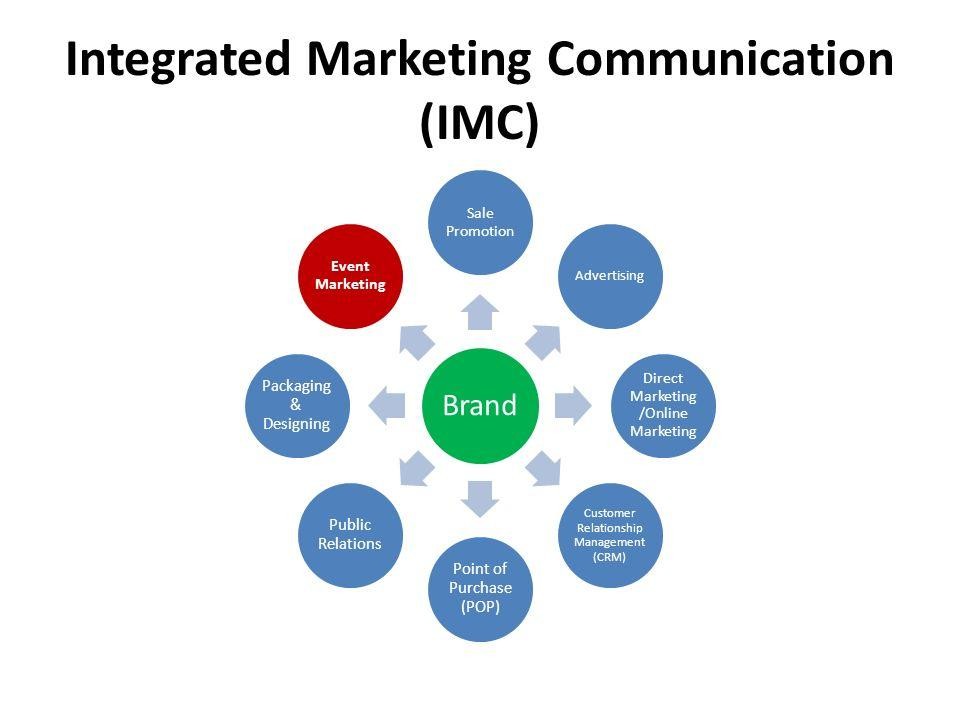
What is Integrated Marketing Communications (IMC)?
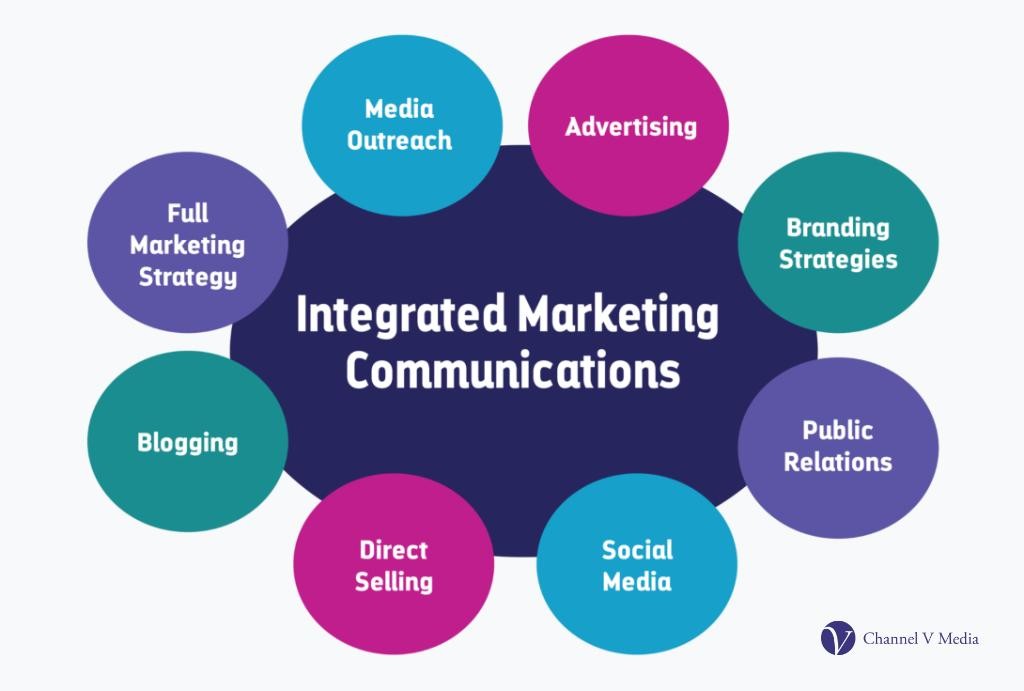
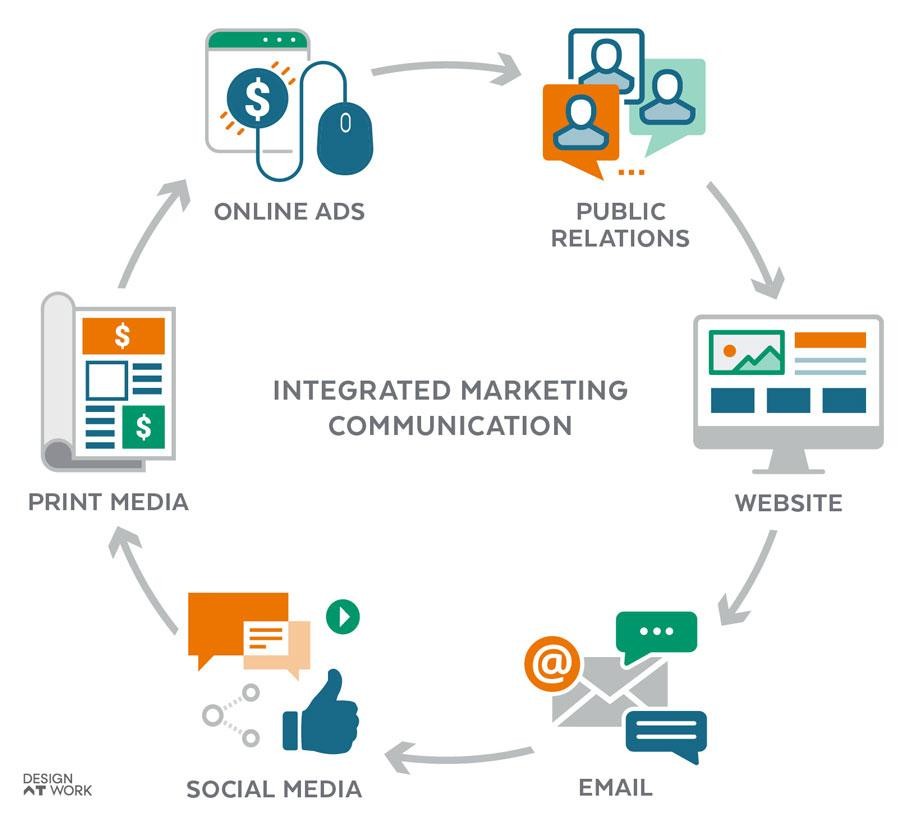
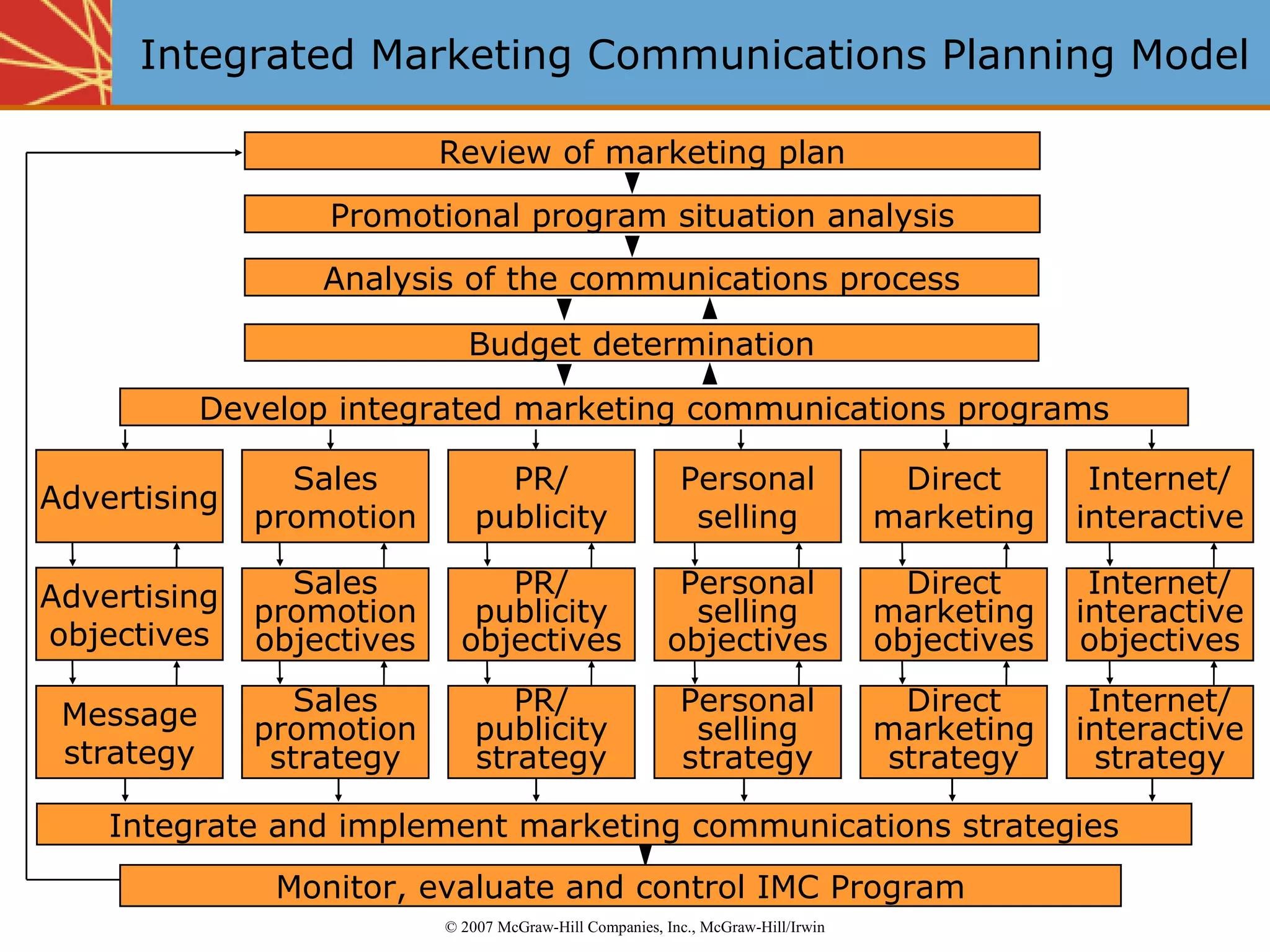
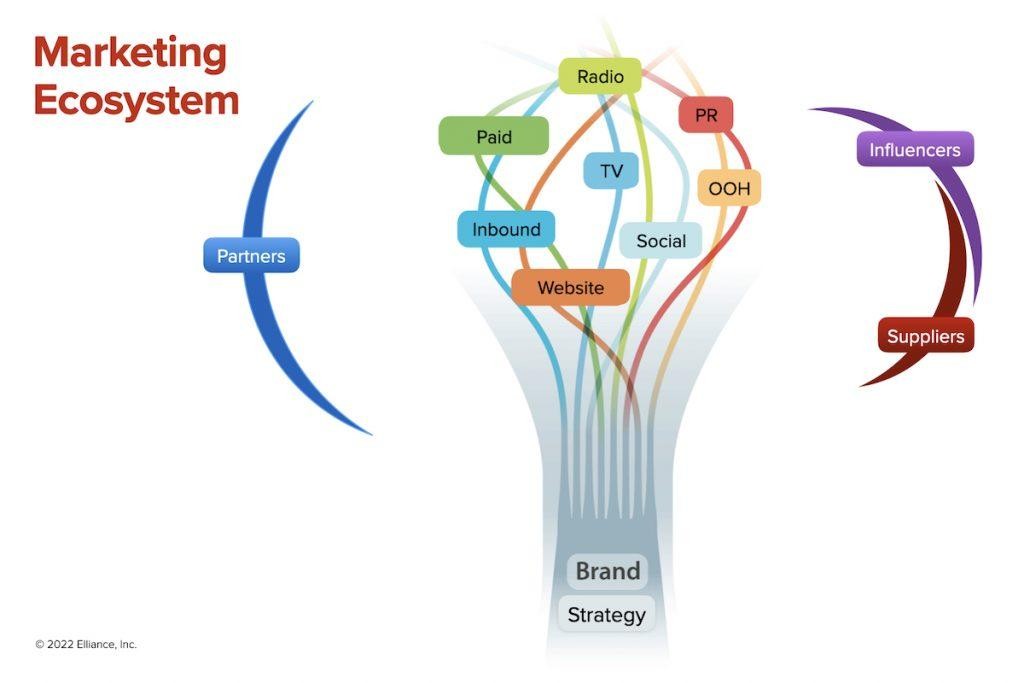
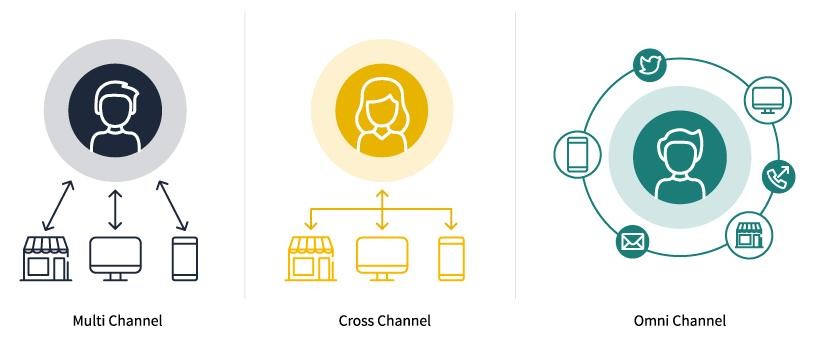
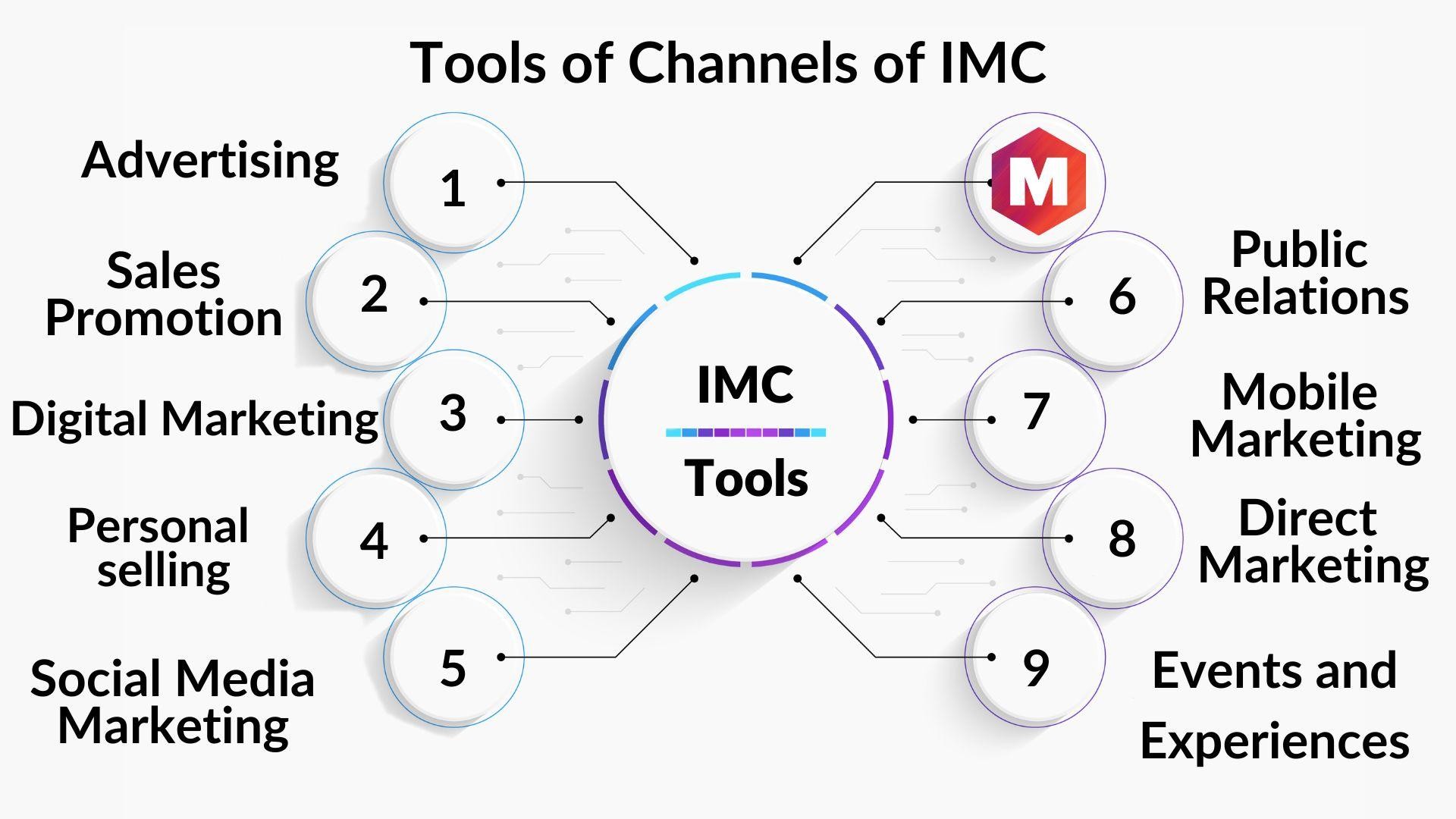
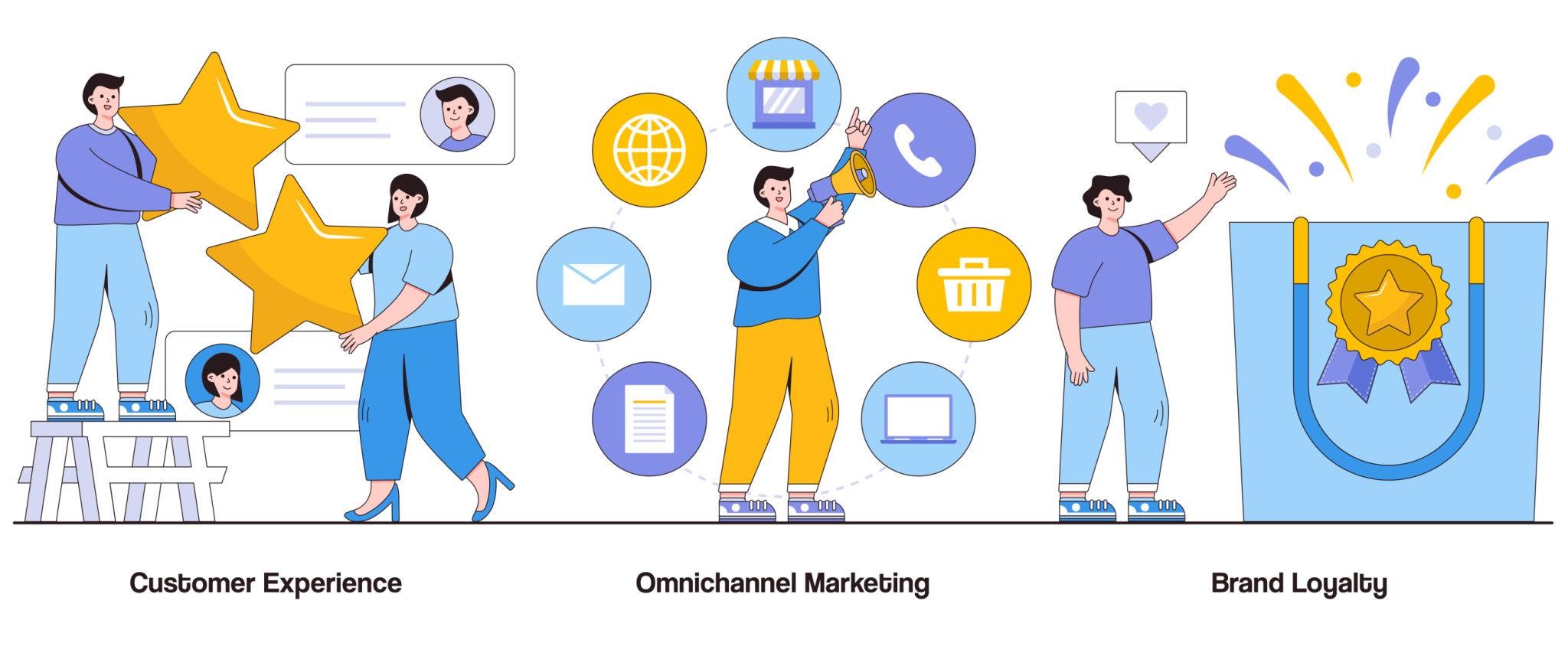
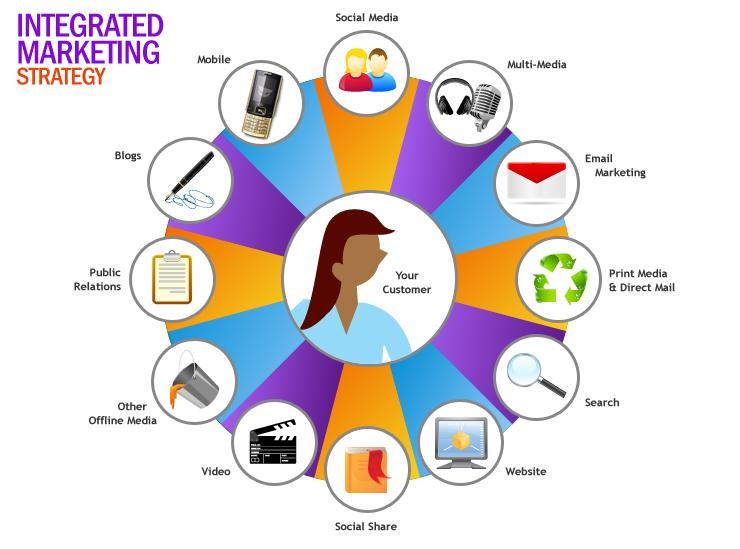
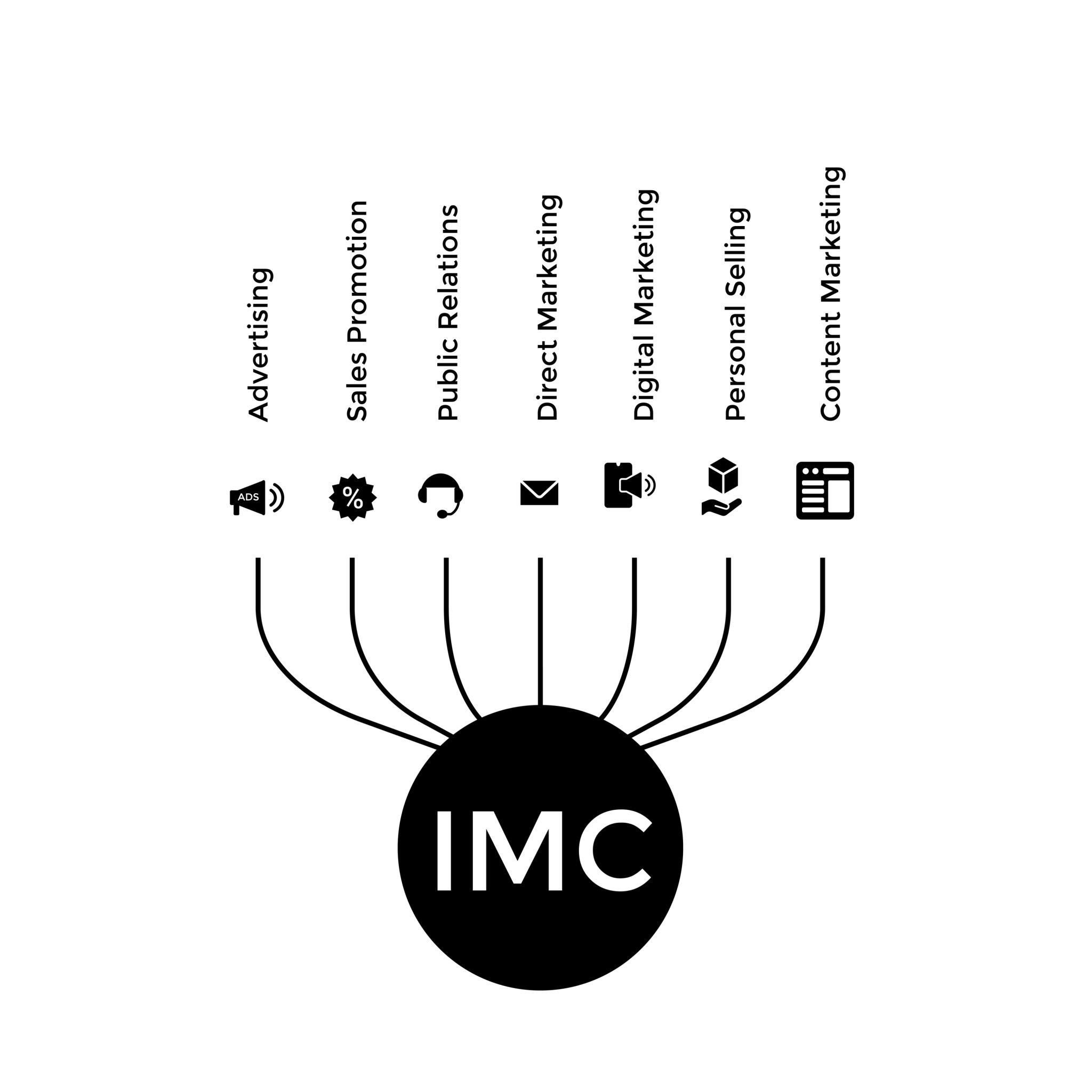
Integrated Marketing Communications (IMC) is a strategic approach that aligns all marketing channels and communication tools to deliver a unified brand message.
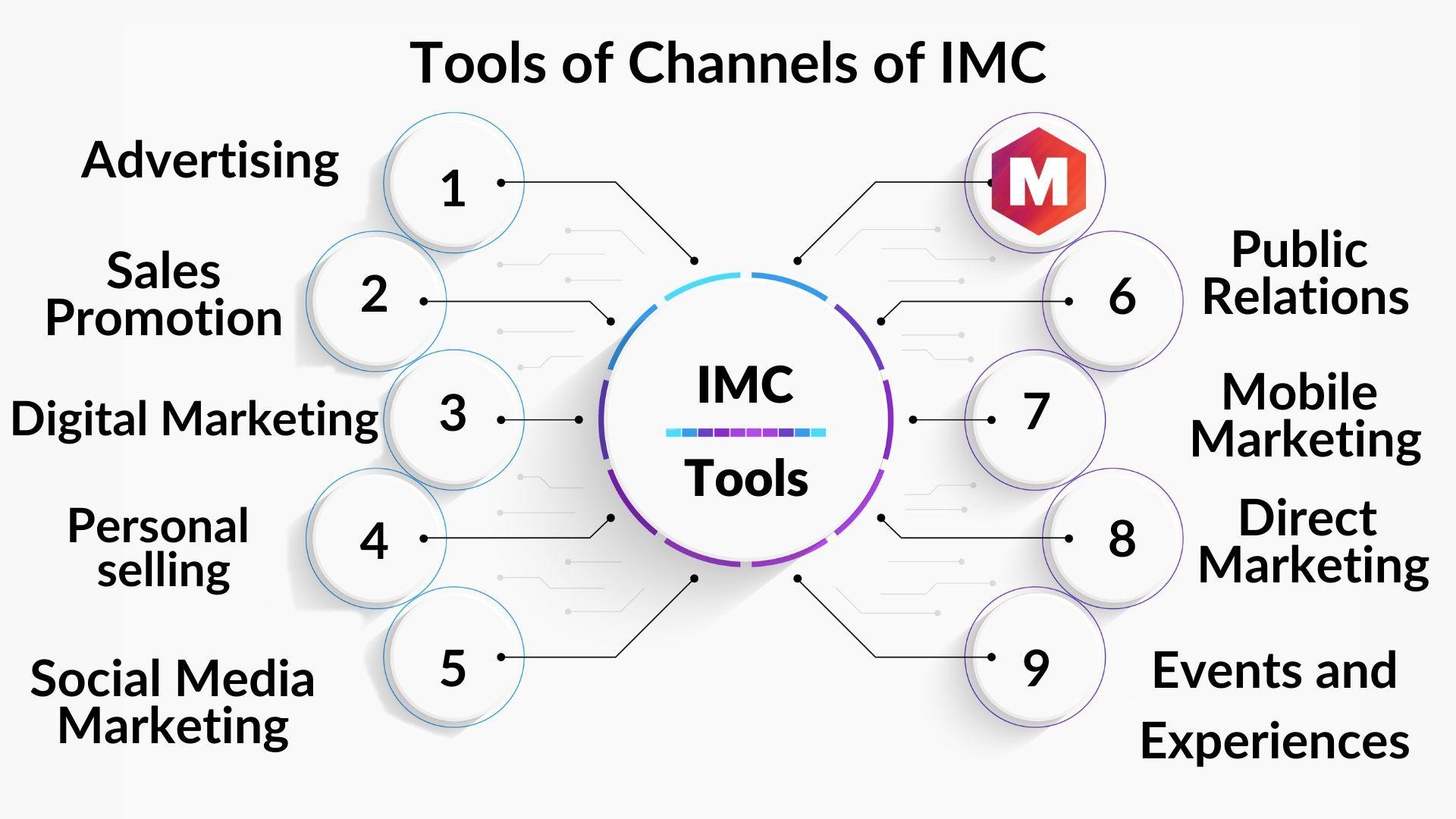
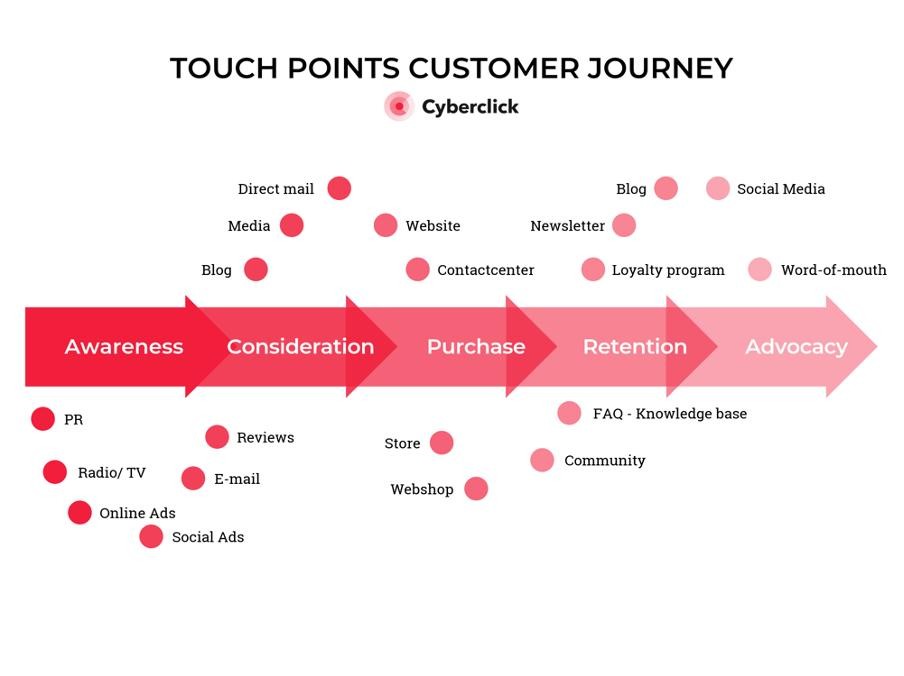
Channels Included in IMC:
- The goal: One brand voice, multiple touchpoints, maximum impact.
Why IMC is Critical for Modern Brands
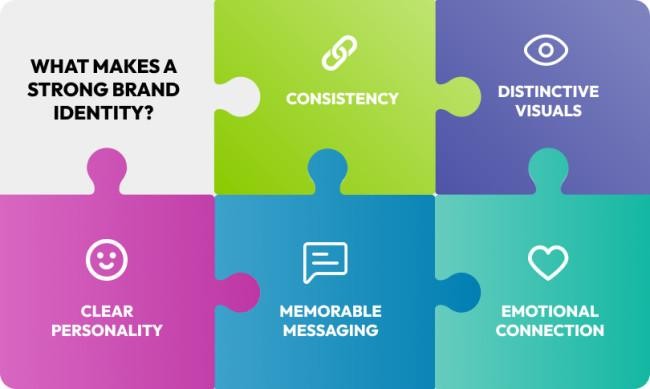
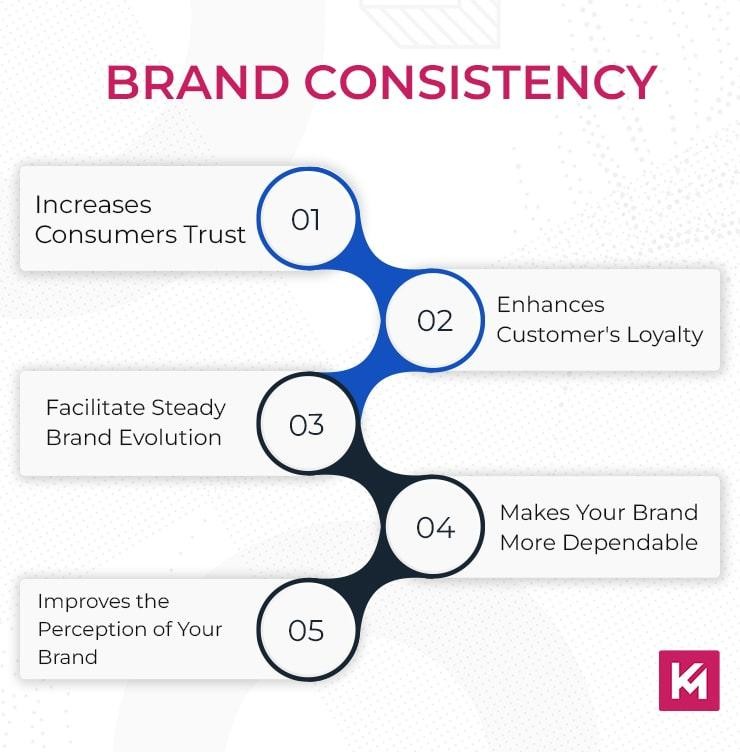
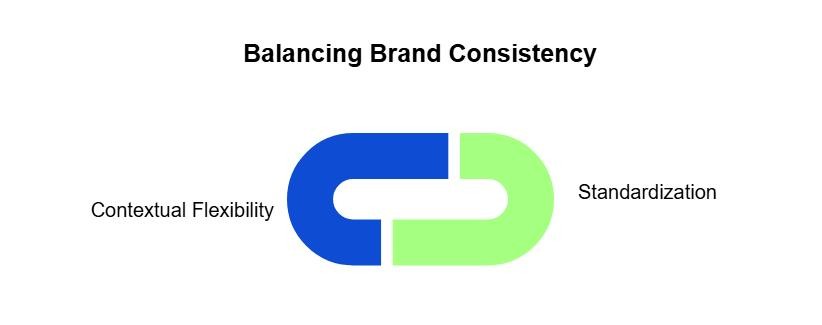


Key Components of an IMC Strategy


IMC in Action: How It Works

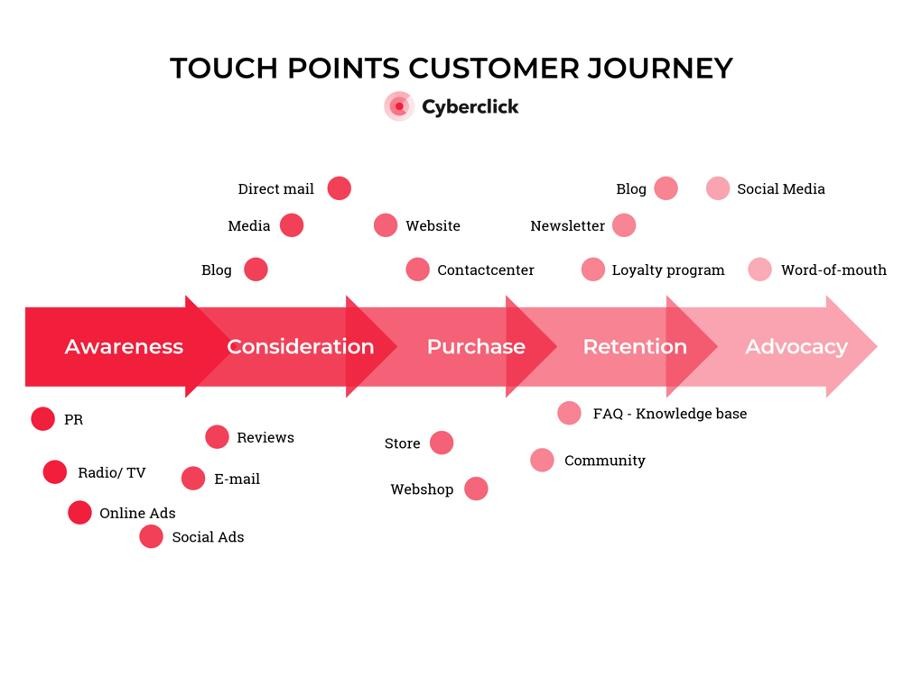


Example Scenario:
A brand launching a new product might use:
All aligned with the same message, visuals, and tone.
- This creates a cohesive and powerful brand experience.
Benefits of Integrated Marketing Communications
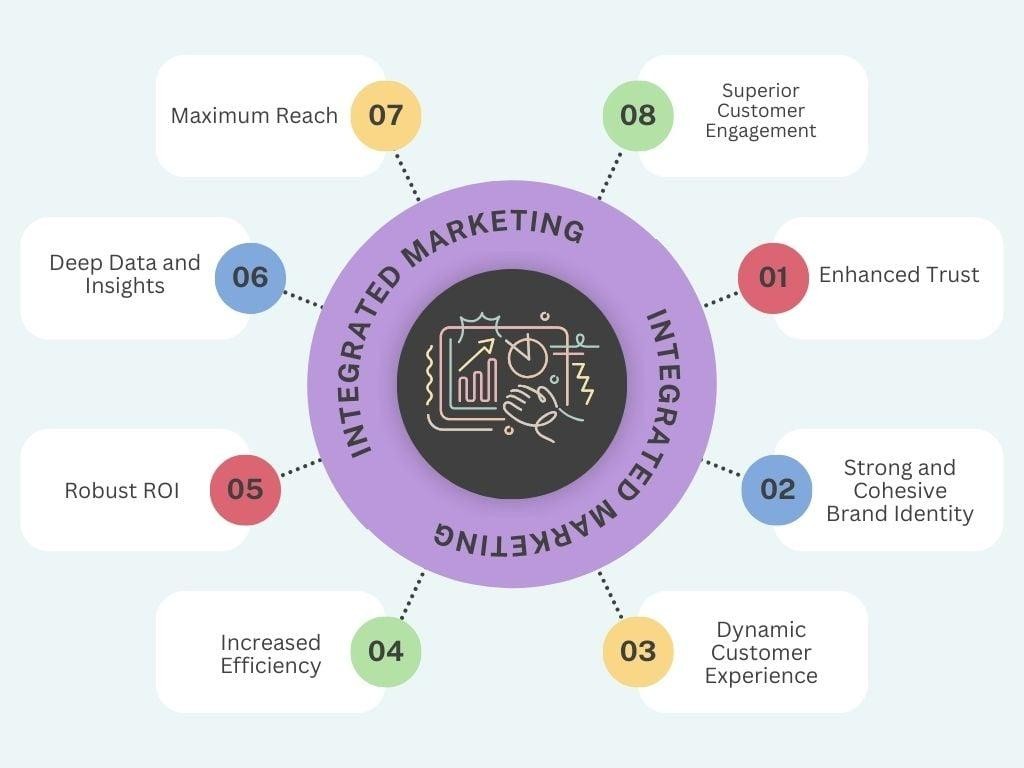
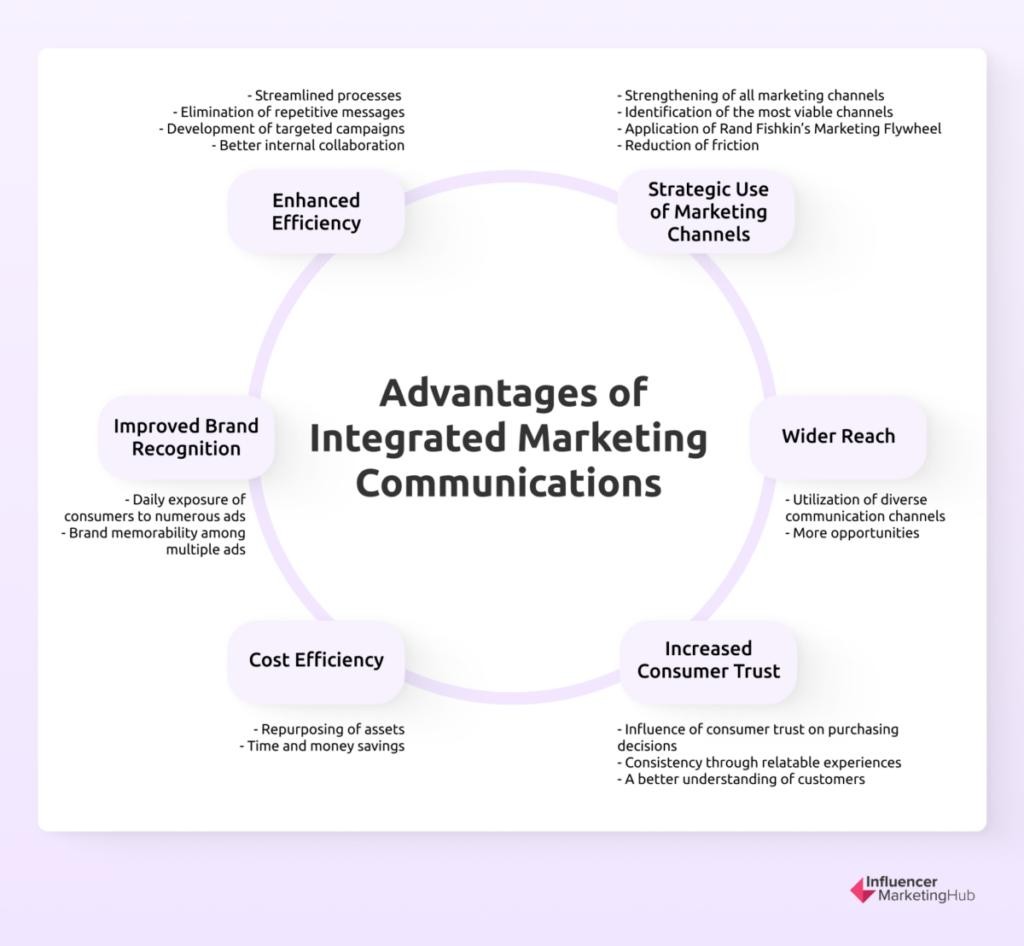
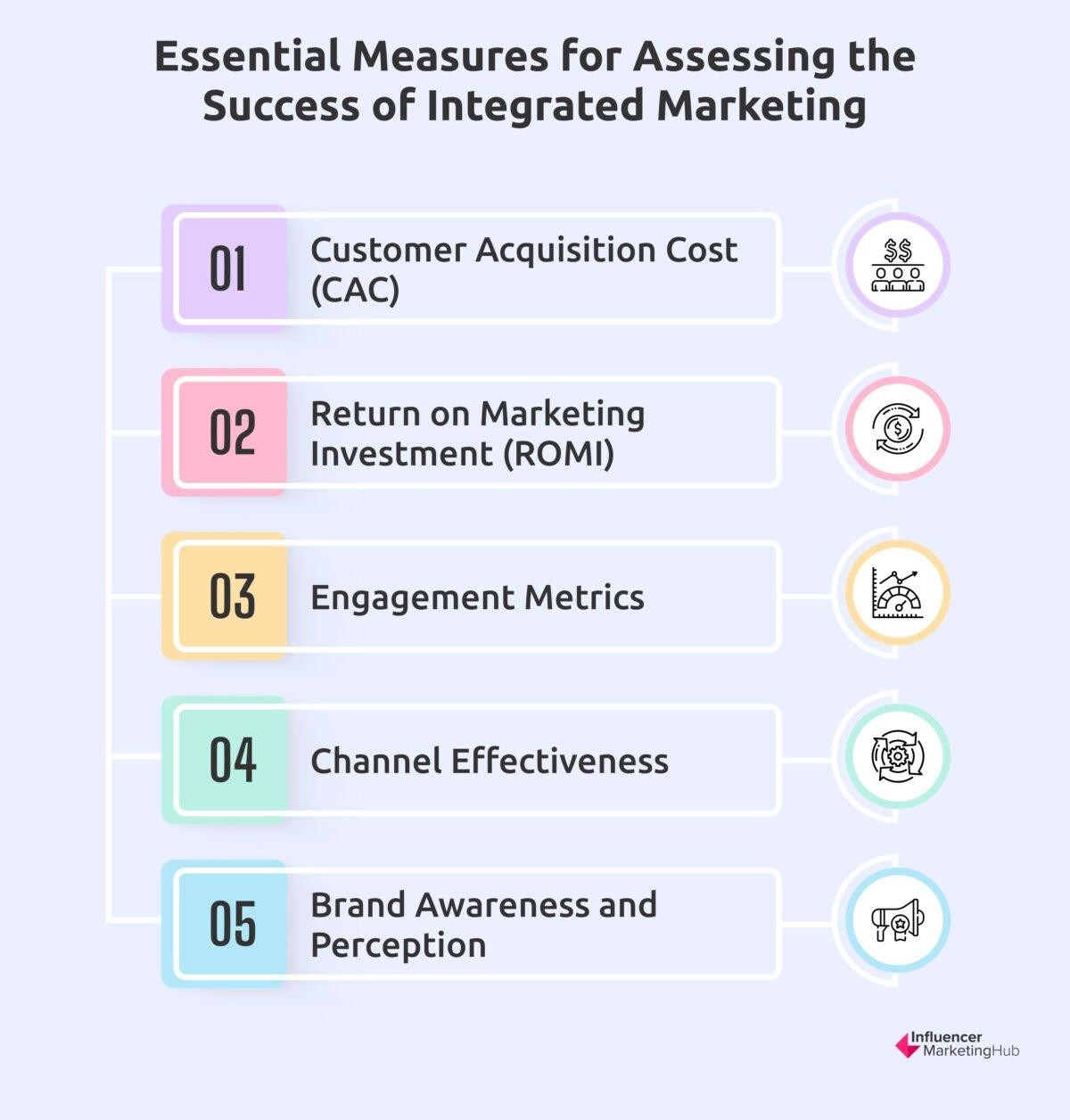
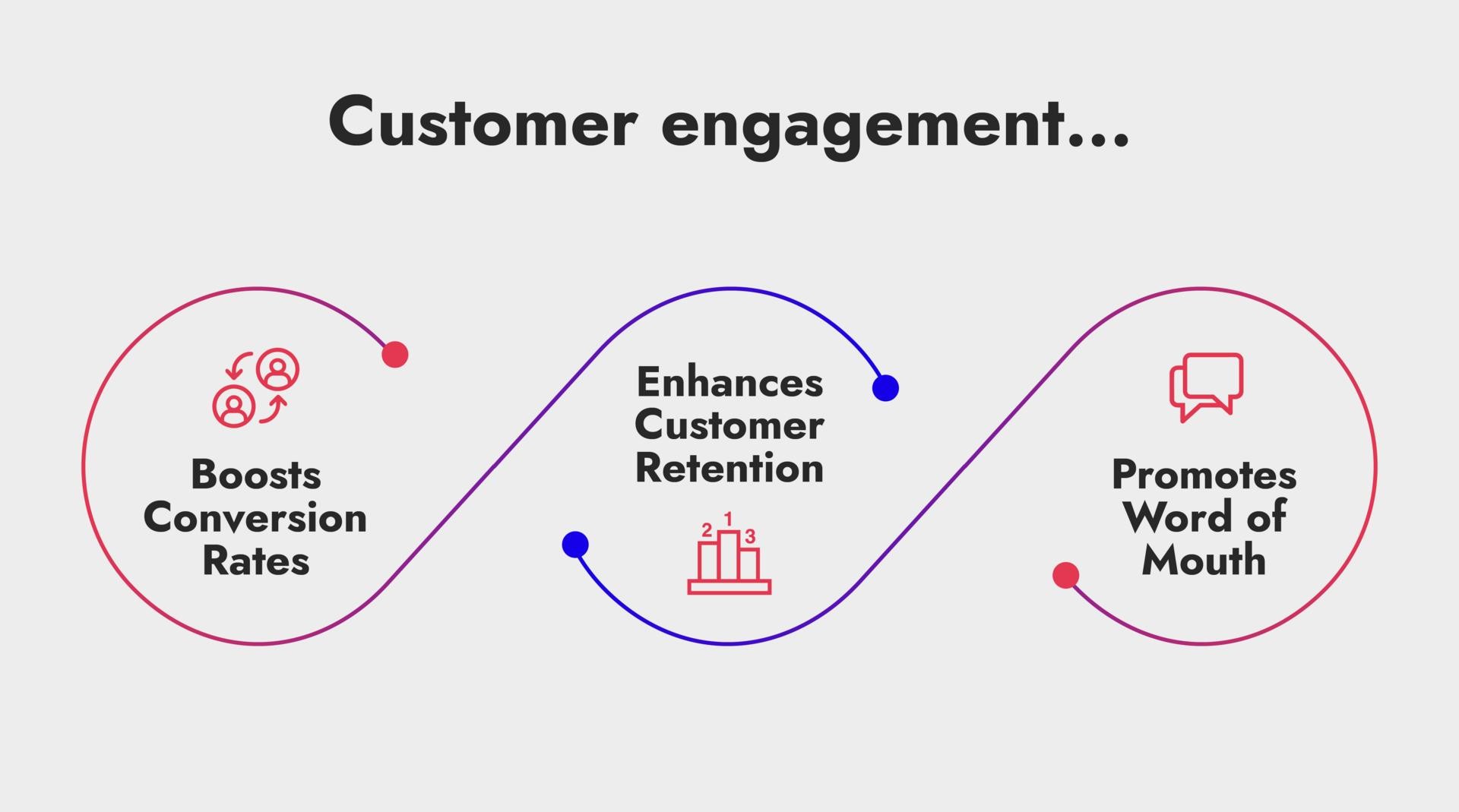
Key Benefits
Best Practices for Implementing IMC
- Consistency + coordination = success.
Common Challenges in IMC
Overcoming these challenges is key to unlocking IMC’s full potential.
Future of Integrated Marketing Communications
Brands that adopt these innovations will lead the future of marketing.
Why Partner with Experts for IMC?
Implementing IMC requires expertise in strategy, creativity, technology, and execution. Partnering with experienced companies like D5ision Communications Pvt. Ltd. ensures:
Conclusion
Integrated Marketing Communications is the key to building strong, consistent, and impactful brand experiences. In a world of multiple touchpoints, brands that communicate with clarity and consistency will stand out.
With a legacy of excellence, D5ision Communications Pvt. Ltd. continues to deliver integrated solutions that drive engagement, build trust, and create lasting brand value.